September 18, 2026 · Updated September 19, 2026 · 5 min read
Dental assisting externships explained: how the 80 hours work
Plan an 80-hour dental assisting externship: scheduling, supervision, learning goals, references, and realistic expectations about a first job.
By Accelerated Assisting, career guides team
What the externship is for
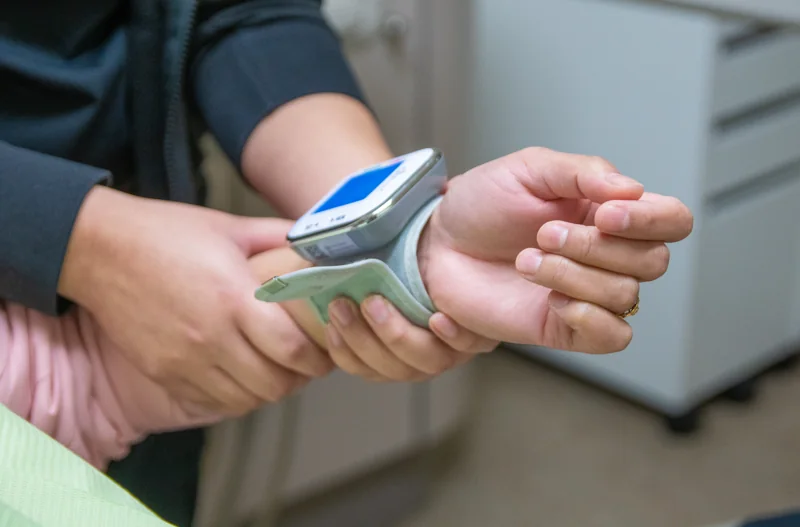
Accelerated Assisting includes an 80-hour externship in its program. It connects classroom learning with the routines of a working office: communication, preparation, patient support, and learning under supervision. The duties assigned depend on the host, your preparation, and the qualifications required for each activity.
Approach it as a place to learn how a team works, rather than a test of whether you already know everything. Ask for clear expectations and a contact at both the school and office before the first shift.
Confirm the placement process before you plan around it
Ask the school when to begin arranging a host, what help is available, and how an office is approved. Discuss travel distance and the availability you can realistically offer. Do not assume a specific office, specialty, or schedule is guaranteed.
Before committing to a host, confirm the supervisor, start date, hours, dress requirements, and documentation the office needs. Ask what to do if the proposed schedule changes or the placement is not working as expected.
Make the 80 hours fit your calendar
Eighty hours could equal ten eight-hour days or twenty four-hour blocks. Those are arithmetic examples, not promised placement schedules. Host hours and the school’s completion requirements determine what is possible. Evening classes do not mean the externship can be completed entirely at night.
Put travel, work shifts, caregiving, and time off on the same calendar. Confirm the timeline before buying transportation passes, booking care, or arranging leave. Ask the school how missed or rescheduled hours are handled.
Agree on learning goals and supervision
Ask which tasks you will observe first, which you may practice, and who supervises them. A school completion certificate, a passed exam, and an issued Oregon credential are distinct. Check current requirements before performing radiography or an expanded function.
Follow applicable infection-control requirements, manufacturer instructions, and the office’s validated procedures. If an instruction seems to conflict with what you learned, stop and ask a qualified supervisor to resolve it. Do not guess or take shortcuts to keep the schedule moving.
- Confirm who can answer questions when your main supervisor is occupied.
- Ask how feedback is given and when you will review progress.
- Keep the required hours and learning records; ask who verifies them.
- Keep patient identifiers out of personal notes, resumes, photos, and social posts.
Does an externship lead to a job?
A host office may have an opening, but it may also be fully staffed. Hosting a student does not promise employment, and this guide does not claim a placement rate. Ask whether the practice expects to hire and what its application process involves.
Whether or not there is an opening, you can leave with specific feedback and an accurate account of what you learned. Ask a supervisor whether they are comfortable serving as a reference and what contact information they want you to use. Describe the experience as an externship when applying elsewhere.
Continue exploring other suitable openings. A good learning experience and a job offer are different outcomes; neither should be assumed from a friendly conversation about a possible position.
Finish with a useful handoff
Before the last shift, check that required hours and evaluations are complete. Ask for one strength to keep developing and one skill to work on next. Share questions about remaining requirements and job-search assistance with the school.
If the office offers a job, request the role, pay, hours, start date, and benefit information in writing. Keep the employment conversation separate from the documentation needed to complete your training.
Common questions
Is the Accelerated Assisting externship paid?
The program describes the required 80-hour placement as an unpaid supervised training component. Confirm the school and host arrangements before starting, and distinguish that placement from any separate employment or working interview.
Can my current dental office host my externship?
Ask the school to review the office, supervision, duties, and documentation requirements before counting hours there. Do not assume your existing shifts automatically count.
Will my externship office hire me?
It may or may not have an opening. Ask about hiring plans, request feedback, and continue exploring other roles. An externship is not a guaranteed job offer.