September 18, 2026 · Updated September 19, 2026 · 5 min read
What a dental assisting program really costs, and the fees schools leave off the price
Tuition is the headline; books, kits, scrubs, exam fees, certificate applications and lost wages are the rest. A checklist for comparing total cost.
By Garrett Greer, owner and director
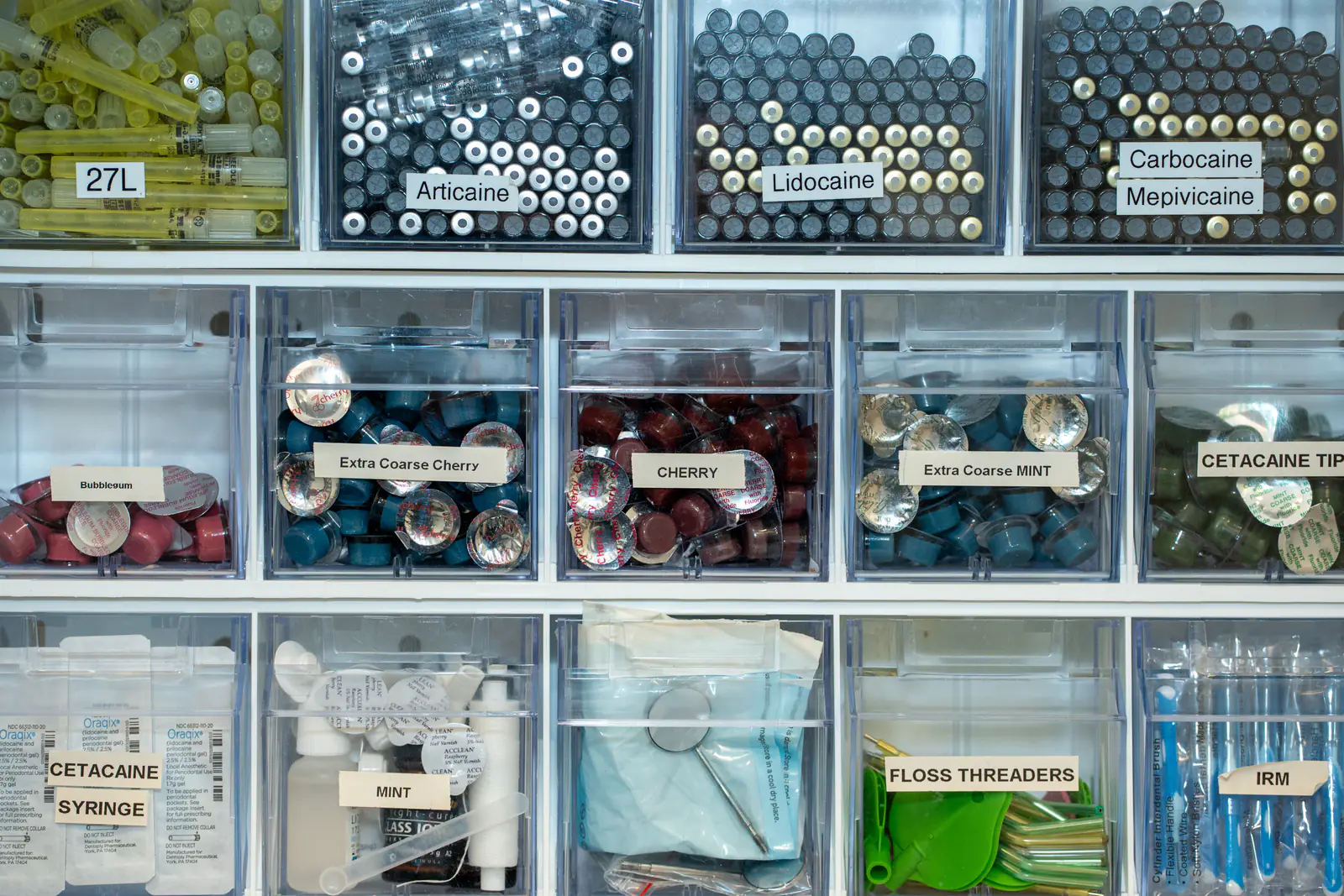
A tuition headline may leave out required materials, exam fees, and the practical costs of attending. Ask every school for the whole list in writing. Then compare the program charge with your household budget, including travel, care, and any reduced work hours.
The lines that belong on the list
- Tuition: the instruction itself. Ours is $4,321 of the $5,900 total.
- Registration, enrollment and deposit fees: often due before the first class. Ours total $500, which is exactly what is due at enrollment.
- Online platform or lab fees: some schools bill these separately. Our $300 platform fee is inside the total.
- Books: a new textbook can run well over $100; we rent the textbook and include it in the $654 materials line.
- Kits and supplies: typodonts, PPE, radiology supplies. Included in our materials line and used in the facility.
- Scrubs and shoes: we include one pair of scrubs ($70); closed-toe shoes are yours.
- CPR certification: our Basic Life Support certification is $55, included in the program total. Ask employers about their current requirements.
- Exam fees: DANB’s RHS exam and the Oregon certificate application are paid to DANB. We include our RHS Prep course but not DANB’s fees; ask other schools which fees their total includes.
- Externship costs: travel to the host office, and any background check or immunization records an office requires.
- Missed work: compare class, study and clinical hours with your job. Our evening format still includes an 80-hour externship that may require daytime availability.
How to compare two schools fairly
Put both lists side by side with the same lines, add DANB’s current exam and certificate fees to any school that excludes them, and then add the wages you would lose during the program. Consider the schedule, credentials, support and clinical experience alongside the price. A shorter program does not guarantee an earlier job offer.
Financing changes the total too
Financing can add to the amount you pay. Read the written agreement for the rate, payment schedule, total finance charge, and any other fees. Our twelve-month option is financed through Tuition Financing Company at 8 percent with a $250 origination fee; use the actual agreement when budgeting rather than estimating interest from a headline rate. Paying as you go during the program, or paying in full, avoids financing charges.
Read the refund policy before you sign
Oregon-licensed private career schools must publish a refund and cancellation policy; ours is in the enrollment agreement and the program catalog. Know what you get back if you withdraw in week two versus week eight before you commit.
Add the current exam fee and check application costs
The standard DANB RHS exam fee checked September 19, 2026 is $270. Verify the current fee before registering. Oregon certificate applications, other credentials, and any retests are separate amounts to confirm with DANB; do not assume they are free or covered by the RHS payment.
The school includes RHS review, not DANB exam or certificate application fees. Keep a dated list of third-party costs so your comparison remains useful when you are ready to enroll.
Build a training and transition budget
The planner starts with the published $5,900 program cost. The $500 due at enrollment is part of that amount, not an additional charge. Enter only expenses outside the program total. Blank fields mean you have not estimated an item yet.
Separate direct expenses from reduced take-home pay and an extra job-search reserve. Those last two amounts describe household planning needs, not school charges. Count each gap once: if your reserve already includes missed income for a period, do not add the same amount again.
Build your own planning estimate
Enter totals in dollars for your training and transition period, not monthly amounts. Blank fields are unknown, not free. Enter 0 only when you expect no cost. Your entries stay in this page and reset when you reload it.
Published program cost: $5,900
The $500 due at enrollment is already included.
Include exams, applications, and any retest allowance you choose.
Your total for classes and the externship, including parking.
Only the extra cost caused by your training schedule.
Items you must buy separately; check what the program already includes.
Use your written payment agreement. Do not enter the borrowed principal again.
The income gap caused by reduced work hours during training.
An extra amount for the transition after training. Do not count the same income gap twice.
- Program cost + entered expenses
- $5,900.00
- Including your income gap + extra reserve
- $5,900.00
7 of 7 estimate fields are still blank. This total is incomplete.
This is a planning estimate, not a bill, payment schedule, or prediction of when you will find work. Use the downloadable worksheet to map when costs and payments occur.
Map the first year month by month
A total estimate does not tell you when cash is needed. Use the downloadable worksheet to list the actual program payments due in each month, then add exam payments, travel, care, and ordinary household expenses. When using monthly payments, do not also charge the full tuition total in that same cash-flow table.
Enter income conservatively using your own situation. Leave a prospective dental job out of confirmed income until you have an actual offer and start date. Test what happens if the search takes longer or available weekly hours differ from your initial plan.
A useful budget identifies the month with the tightest gap and the questions still unanswered. It does not predict a salary, tax bill, funding approval, or hiring date. Keep the written payment agreement and current fee information with your worksheet.
Common questions
How much does dental assisting school cost in Oregon?
Our program cost is $5,900, with DANB exam and certificate fees separate. PCC’s published total estimate is $10,750 excluding prerequisites. Compare what each figure includes, then add personal travel costs, financing charges and any missed work.
Are DANB exam fees included in tuition?
At our school the RHS review course is included but DANB’s exam and certificate application fees are paid separately to DANB. Ask every school the same question.